
The only thing more fun than hands-on science is taking it outside! These outdoor science experiments and activities are perfect for taking advantage of sunny days. Fly kites, dissect flowers, experiment with sound and water, and so much more! There is something on our list for everyone from adults all the way down to toddlers.
You’ll only need simple supplies for most of these, so any teacher or family can head out to learn about chemistry, biology, physics, and more. To make it even easier to find the right outdoor science activities, we’ve rated each one for difficulty:
- Easy: Simple, short activities you can do with little or no prep needed.
- Medium: These activities take a little longer or require a few extra supplies but are still fairly simple.
- Advanced: Activities that require more unusual supplies or complex skills.
Jump to:
- Outdoor Science Experiments That Get a Little Messy
- Nature and Wildlife Outdoor Activities
- Weather and Climate Outdoor Science Experiments
- More Outdoor Science Experiments and Activities
Outdoor Science Experiments That Get a Little Messy
1. Wrap a watermelon in rubber bands
You’ve probably seen videos of this making the rounds online, so why not try it out yourself? This is one of those outdoor science experiments that’s easy to do, but make sure you wear safety equipment like goggles. (Medium)
2. Send a geyser sky-high
This is one of those outdoor science activities that simply can’t be done anywhere other than outdoors. Kids will marvel at the chemical reaction that sends diet soda shooting high in the air when Mentos are added. (Medium)
Learn more: Mentos and Coke Experiment (Plus Free Worksheet!)
3. Construct a LEGO waterwheel course
Explore the power of water with a cool homemade LEGO water course that includes a dam and a water wheel. This engineering project is fun to play with when you’re done. (Medium)
4. Find the best soap bubble solution
It’s easy to mix your own soap bubble solution with just a few ingredients. Let kids tweak the recipe to find the best proportion of ingredients to blow the longest-lasting bubbles with this fun outdoor science experiment. (Medium)
5. Blow giant bubbles
Bubbles are part of many fun outdoor science experiments. Once you’ve blown the longest-lasting bubbles, move on to creating the largest bubbles you’ve ever seen! Learn how in the video. (Medium)
6. Brew some elephant toothpaste
This experiment is popular with kids and adults alike! Don your safety goggles, mix a few ingredients, and watch the “elephant toothpaste” fly! (Medium)
Learn more: Elephant Toothpaste Experiment Plus Free Worksheet
7. Explode plastic baggies
Vinegar and baking soda experiments are always a big hit with kids, and this one is no exception. They’ll love seeing the bags pop from the chemical reaction, and you’ll be glad the mess is outside. Plus, learn how to make a DIY volcano here! (Easy)
8. Conduct an egg drop
Here’s another classic outdoor science project you won’t want to move inside—the egg drop. Challenge kids to engineer a container that will protect an egg from a long fall (this is especially fun to do from upper-story windows). (Medium)
Learn more: 27 Egg-cellent Egg Drop Challenge Ideas
9. See water pollution in action
Learn about the challenges of cleaning up polluted water sources like rivers and lakes with this interesting outdoor science activity. Pair it with a visit to a local water-treatment plant to expand the lesson. (Medium)
10. Set up a musical science pool
This project is equally fun as a sensory experience and as a science experiment. Fill a kiddie pool with water, then place metal mixing bowls of different sizes inside. Finally, let kids experiment with different combos of waters, bowls, and drumsticks (i.e., wooden spoons). (Medium)
11. Paint a shadow with homemade chalk paint
Head outside and have kids trace the outlines of their shadows. Then mix up some homemade chalk paint and let kids get creative painting their shadows. (Medium)
12. Make and melt frozen oobleck
Oobleck is a strange non-Newtonian fluid that’s both fun and fascinating to play around with. For a new twist on this classic experiment, freeze some oobleck, then take it out into the sun and see what happens when it melts. (Medium)
Nature and Wildlife Outdoor Activities
13. Assemble a nest
Birds build intricate nests, and they make it look easy. Can you do the same? Gather some materials outdoors, and try to make your own nest. (Easy)
14. Explore 1 square foot
There’s an amazing amount of life in every square foot of nature. Grab your magnifying glasses or microscope, and take a closer look at the ground you walk on every day. (Easy)
15. Explode a DIY seed pod
Find out how some plants spread their seeds far and wide with this cool balloon experiment. Fill it with seeds and air, then pop it outside on a breezy day and watch the seeds fly! (Medium)
16. Forecast the weather with pine cones
Fun fact: Pine cones open and close according to the weather in order to protect or disperse the seeds inside. Use that fact to your advantage and create a pine cone weather station in your backyard. (Easy)
17. Put together a simple microscope
This DIY microscope isn’t very powerful, but it does magnify small objects so you can see details. It’s also really simple to make. Looking for a stronger microscope you can take on the go? Try this portable model that hooks up to your cell phone. (Easy)
18. Create nature discovery bottles
Stroll through the great outdoors and have kids collect interesting natural objects. Use recycled soda or water bottles to display their specimens. (Easy)
19. Play a game of Nature Bingo
Give your nature walk more direction by giving students specific items to seek out. You can make your own boards, or hit the link below for free printables for every season. (Easy)
20. Start a nature journal
Nature journals are a great way to partner writing and outdoor science while building kids’ observational skills. You can use any sturdy notebook or check out the link below for free printable journal pages and a fun DIY carry-along journal project. (Easy)
21. Make and plant DIY seed bombs
Use recycled materials to create “seed bombs.” Then plant them in the schoolyard or send kids home to use them in their own gardens. Students learn about ecology, recycling, and plant life cycles. (Medium)
22. Experiment with limestone rocks
Kids love to pick up rocks, and there are plenty of great science experiments you can do with them. In this one, you pour vinegar over a rock to see if it bubbles. If it does, you’ve found limestone! (Easy)
23. Contribute to citizen science
Use a cell phone to snap pictures of everything you find on a nature walk, then report those sightings to Project Noah. This citizen science project is dedicated to documenting every living thing on Earth! (Easy)
24. Learn about plant transpiration
This simple project demonstrates how plants get rid of excess water they don’t need, a process known as transpiration. The supplies and method are simple enough for anyone to try it. (Easy)
25. Learn to identify trees
Give trees a closer look and learn to identify them by their leaves and seeds. These jars preserve the leaves and seeds for future study too. (Medium)
26. Go on a nature scavenger hunt
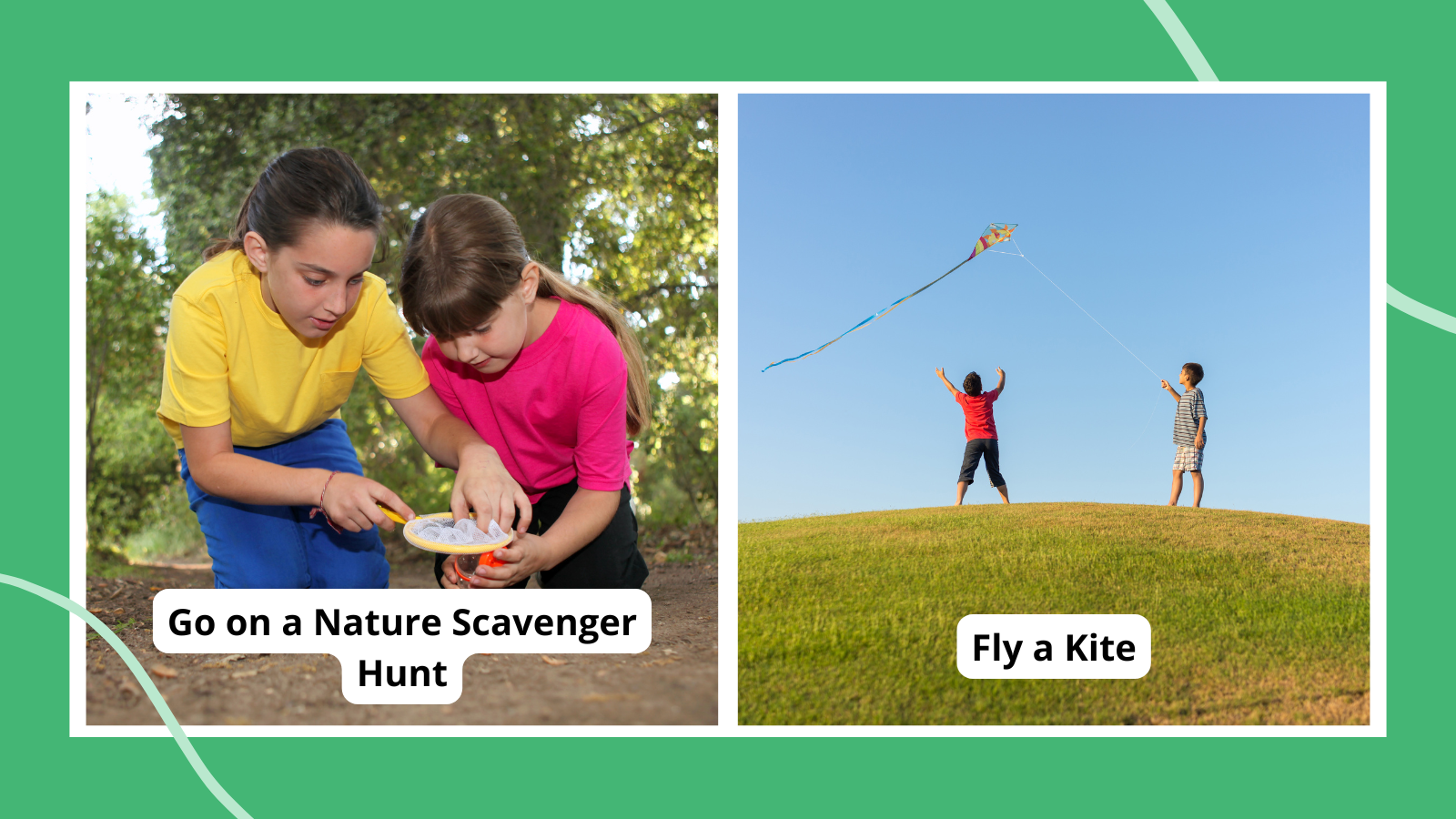
Take kids outdoors to use their five senses with this free printable scavenger hunt activity. They’ll hone their observation skills and learn so much about the world around them. (Easy)
27. Help monarch butterflies
You may have heard that monarch butterflies are struggling to keep their populations alive. Join the fight to save these beautiful insects by planting your own butterfly garden, monitoring monarch populations, and more. Get all the info you need at the link. (Advanced)
28. Count tree rings to explore dendrochronology
Your students might know you can count tree rings to find out how old a tree is, but do they know why that’s true? Students will undoubtedly get a kick out of exploring dendrochronology. (Medium)
29. Seek out signs of birds
Have you ever noticed that birds can be difficult to spot, even though signs of them are all around? This free printable scavenger hunt helps you find evidence that birds live nearby. Just look for nests and food sources and listen for their sounds. (Medium)
30. Attract birds with a DIY bird feeder
Bring all the birds to the yard with this easy recycled bird feeder project. Kids can learn to identify common backyard birds in your area. Visit The Cornell Lab of Ornithology’s educators resource page for more ideas. (Easy)
Learn more: 19 Easy Ways to Get Kids into Birding
31. Identify birds with an app
Some birds are easy to identify, but others stump even longtime bird-watchers. If you’re looking for outdoor science activities for kids who love feathered friends, check out the free Merlin Bird ID app. It listens to bird calls and identifies them in a snap! It works with photos too. (Easy)
32. Estimate the height of a tree
Kids work in pairs to estimate the height of a tree in this project that puts the M in STEM. Get a free printable at the link below to walk you through the process. (Medium)
33. Dissect a flower
Take a plant apart to look at the various parts, like the roots, flower, bud, and more. (Medium)
34. Craft tree bark rubbings
Each tree has its type of bark, and making crayon rubbings is an easy and fun way to take a closer look. Put together a whole portfolio and label each with the kind of tree it comes from. (Easy)
35. Pit hydroponics against soil
Grow veggies using soil and hydroponics. Then, conduct your own taste test to see if one is better than the other. (Advanced)
36. Cast animal tracks
Explore wildlife biology by becoming an expert tracker! Learn to identify tracks and take casts. Turn this into an experiment by trying different methods to take casts, or use it as a method of identifying wildlife in the woods. (Advanced)
Weather and Climate Outdoor Science Experiments
37. Gaze at the clouds
Look up and take some time to admire the clouds. Craft this cute “cloud viewer” and find a cloud in the sky. Then, identify what type it is, and learn more about how clouds form. (Easy)
38. See the greenhouse effect in action
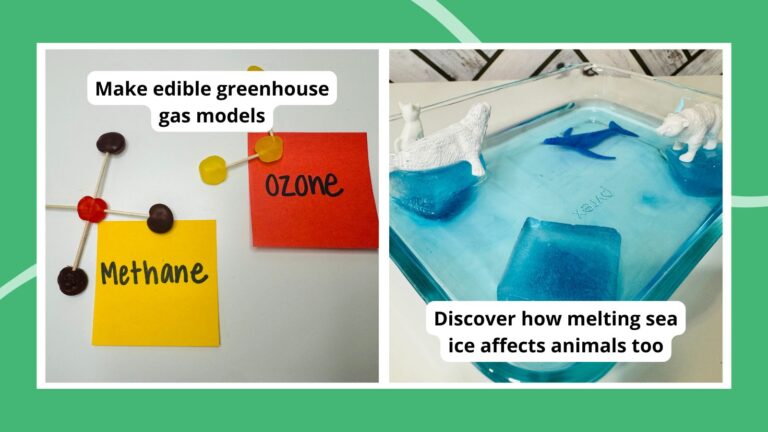
Climate change can be a contentious topic, so start by teaching kids about the greenhouse effect, which is easy to see and understand using this simple experiment. Then, urge them to explore data collected by scientists so they can learn to make informed decisions about topics like global warming. (Easy)
39. Assemble an anemometer
Scientists use anemometers to measure wind speed. Build this DIY version and do some outdoor science experiments about weather science with your kids. (Medium)
40. Turn a bottle into a rain gauge
All you need is a plastic bottle, a ruler, and a permanent marker to make your own rain gauge. Monitor your measurements and see how they stack up against meteorology reports in your area. (Medium)
41. Harness the power of the wind
Wind turbines have become common sights in some parts of the country as we explore alternative energy sources. Build your own to learn how they work with this outdoor science experiment. (Medium)
More Outdoor Science Experiments and Activities
42. Fly a kite
You can learn a lot about physics when you make and fly your own kite. Experiment with different designs to see whose kite flies the highest or the longest. (Easy)
43. Compost food scraps in a bottle
Food waste is a big problem, contributing to much of the material that winds up in landfills. Teach kids how to compost with kitchen scraps in a plastic bottle, and use the compost to feed your plants. (Medium)
44. Grow a carbon sugar snake
If you’re looking for outdoor science experiments that are sure to excite your students, try this eye-popping chemical reaction demonstration. You only need simple supplies like sugar, baking soda, and sand, but the element of fire makes this experiment best done outdoors. (Medium)
45. Construct a dirt battery
This outdoor science project is similar to building a battery from a lemon, but you also get to dig in the dirt! Kids learn about electric currents and conductivity. (Medium)
46. Test the power of sunscreen
We slather kids in sunscreen when they’re playing outside, but do they understand why? Try this fun little experiment, which demonstrates how sunscreen protects from the sun’s harmful rays. (Easy)
47. Build a solar oven
Explore the power of the sun when you build your own solar ovens and use them to cook some yummy treats. (Medium)
48. Blast off with bottle rockets
Just a few simple supplies let you use the power of air pressure to send a homemade bottle rock soaring to the heavens! Get full instructions in the video. (Medium)
Learn more: Bottle Rocket Experiment: How-To Plus Free Worksheet
49. Make sun prints
You’ll need to buy special paper for this outdoor science project, but it’s easy to find. Kids will love creating their own patterns and experimenting to find which objects work best. (Medium)
50. Launch Ping-Pong balls with a catapult
Young kids will simply adore building this basic catapult and watching Ping-Pong balls soar! Older kids can experiment by changing the position of the fulcrum, the length of the board, and the objects being flung. (Easy)
51. Test out parachutes
Gather a variety of materials (try tissues, handkerchiefs, plastic bags, etc.) and see which ones make the best parachutes. You can also find out how they’re affected on windy days or find out which ones work in the rain. (Easy)
52. Swing a glass of water to learn about centripetal force
When you do this experiment right, you won’t make a mess at all. But while kids are still getting the hang of swinging glasses of water around their heads, you’ll probably want to make this an outdoor science activity. (Medium)
53. Become a human sundial
Choose a sunny day and grab some sidewalk chalk—your students are about to become sundials! They’ll practice measuring skills and learn about the movement of the sun across the sky. (Easy)
55. Float a baking soda–powered boat
Here’s another experiment using the classic baking powder and vinegar reaction. This one uses it to power these cute little DIY boats! A kiddie pool is the perfect spot for this outdoor science project. (Medium)
56. Slide into friction science
Head out to the playground, gather up a variety of objects, and hold races to see which ones make it down the slide first. This is a fun introduction to friction and inclined planes. (Easy)
57. Test your local water quality
Once you’ve “cleaned up” your water, try testing it to see how clean it really is. Then head out to test other types of water. Kids will be fascinated to discover what’s in the water in their local streams, ponds, and puddles. Water-testing kits are readily available online—try this set available on Amazon. (Advanced)
58. Make a rainbow
Spotting a rainbow in the sky is always a magical experience. Let kids experiment with different methods to learn how they can create rainbows of their own, anytime they like! (Easy)
59. Send a tea bag flying
Hot air rises, and this experiment can prove it! You’ll want to supervise kids with fire, of course, but this is a really cool concept to see in action. (Medium)
60. Find your way with a DIY compass
Here’s an old classic that never fails to impress. Magnetize a needle, float it on the water’s surface, and it will always point north. (Easy)
Build a light box
Kids can entertain themselves for hours with a big empty cardboard box. Channel that energy by turning a box into a place to learn about light refraction and reflection, using colored water in plastic bottles. (Medium)